Diabetes-related Foot and Leg Problems in Oxnard & Northridge
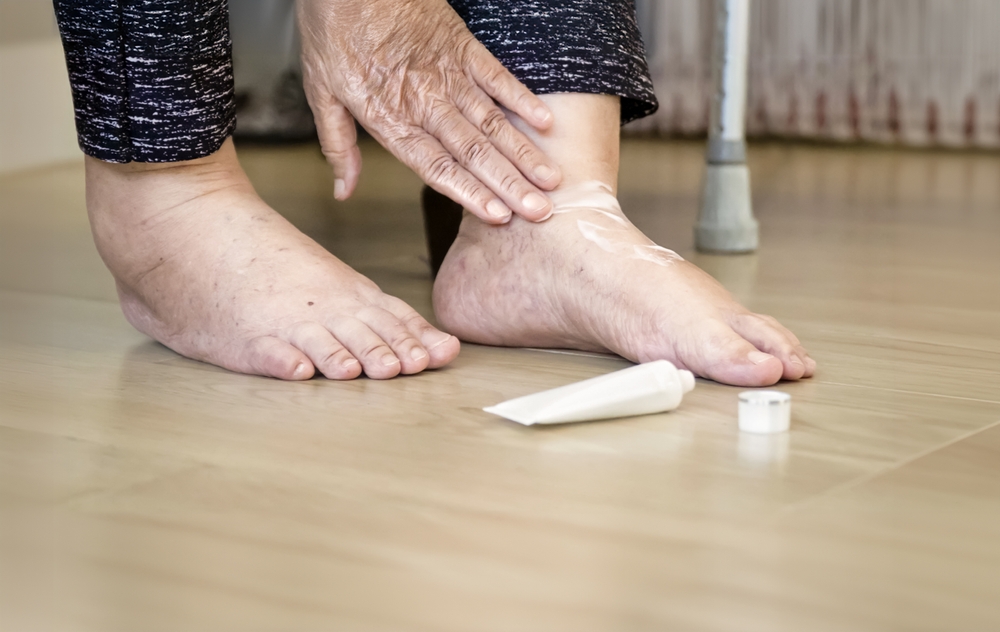
Infections and ulcers (sores) that don’t heal. An ulcer is a sore in the skin that may go all the way to the bone. Because of poor circulation and neuropathy in the feet, cuts or blisters can easily turn into ulcers that become infected and won’t heal. This is a common – and serious – …
Read More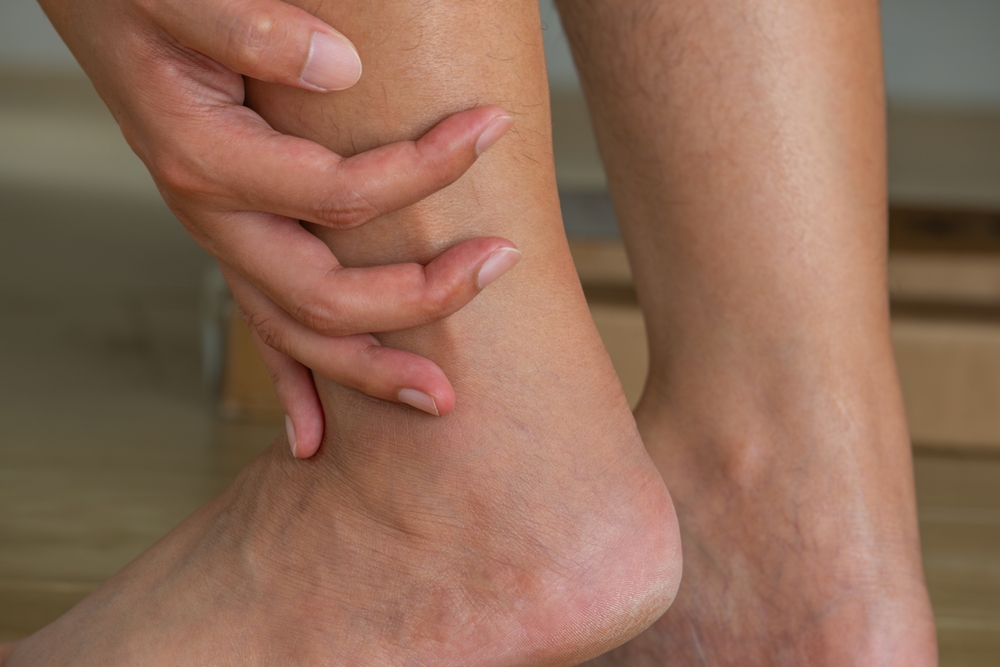
Chronic Ankle Instability in Northridge & Oxnard
Chronic ankle instability is a condition characterized by a recurring “giving way” of the outer (lateral) side of the ankle. This condition often develops after repeated ankle sprains. Usually the “giving way” occurs while walking or doing other activities, but it can also happen when you’re just standing. Many athletes, as well as others, suffer …
Read More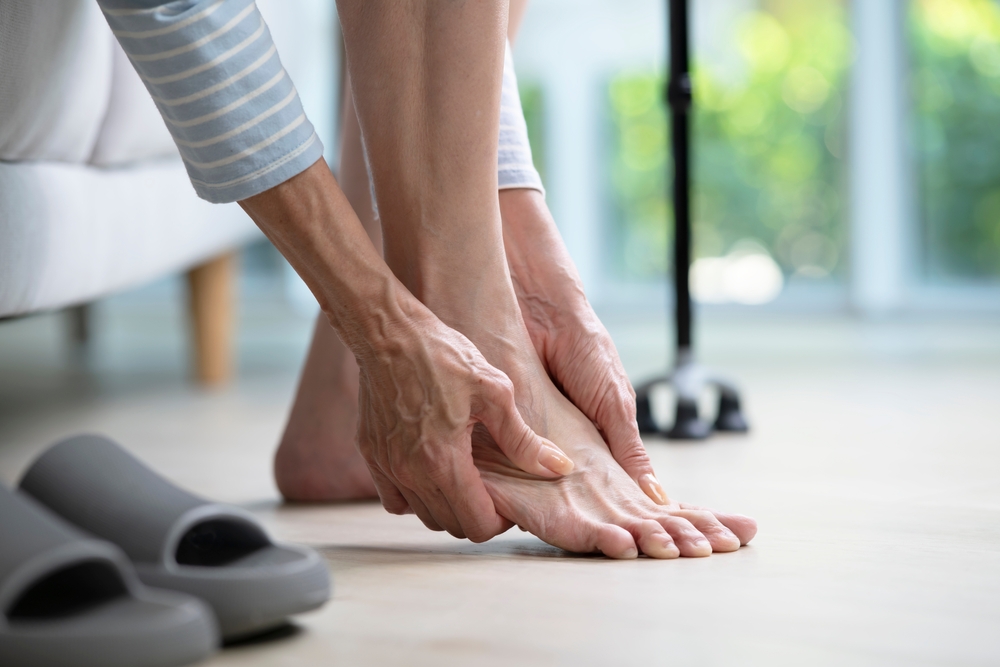
Tarsal Coalition Treatment Near Me, Oxnard & Northridge CA
What is Tarsal Coalition? A tarsal coalition is an abnormal connection that develops between two bones in the back of the foot (the tarsal bones). This abnormal connection, which can be composed of bone, cartilage, or fibrous tissue, may lead to limited motion and pain in one or both feet. The tarsal bones include the …
Read More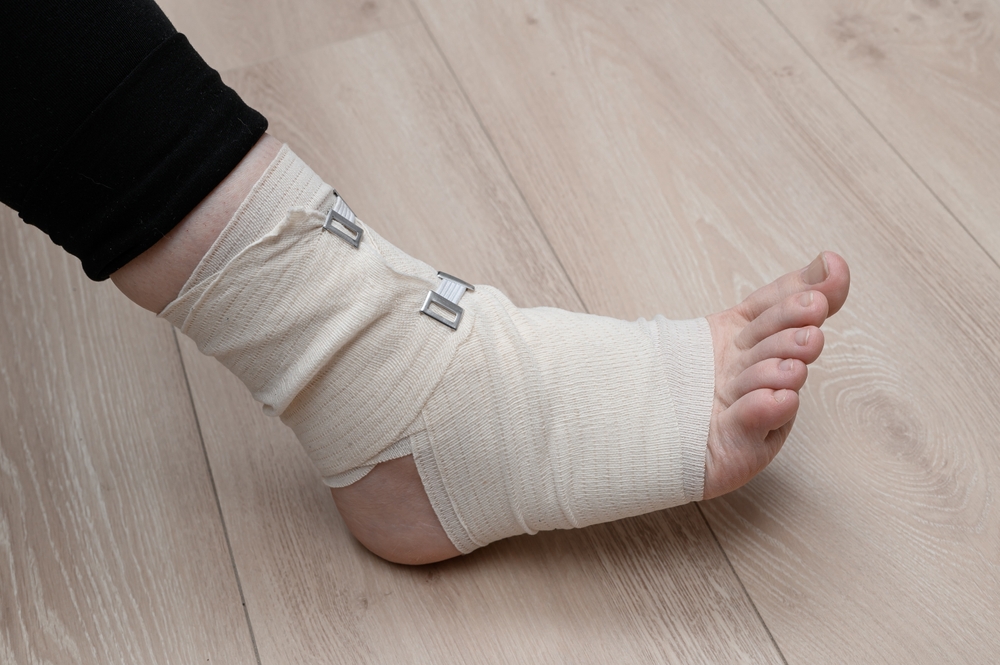
Ankle Sprains Near Me, Oxnard & Northridge
What Is an Ankle Sprain? An ankle sprain is an injury to one or more ligaments in the ankle, usually on the outside of the ankle. Ligaments are bands of tissue – like rubber bands – that connect one bone to another and bind the joints together. In the ankle joint, ligaments provide stability by …
Read More
Best Achilles Foot Doctor Near Me, Northridge & Oxnard
The Achilles tendon is the strongest and thickest tendon in the human body. It is a strong band of tissue that connects muscles to bones. It attaches the calf muscle (gastrocnemius) to the heel bone (calcaneus). The Achilles tendon gives us the ability to move our foot up and down, and also allows us to …
Read More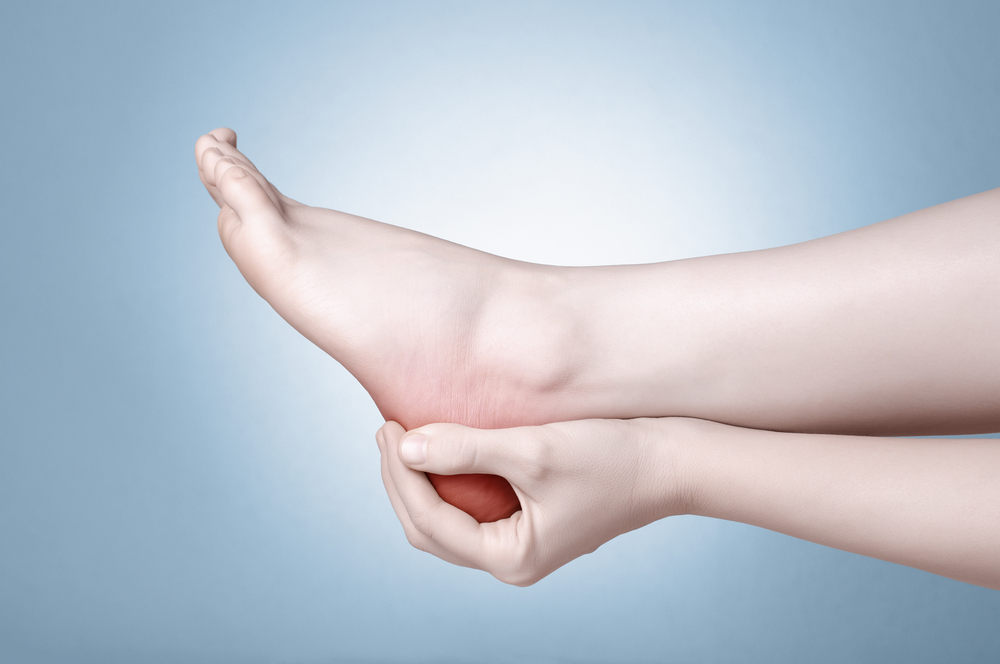
Inflamed Tissues, Muscle, Tendons of Foot Treatment Near Me, Oxnard & Northridge CA
When the device is activated, the physical force generated is transferred to the patient through an applicator head. The mechanical energy is absorbed by the tissue as the distance from the application site increases. This mechanical force triggers reactions in the tissue that have a positive effect on a variety of musculoskeletal and neurological conditions: …
Read More
Osteoarthritis Near Me, Oxnard Northridge CA
Osteoarthritis is a condition characterized by the breakdown and eventual loss of cartilage in one or more joints. Cartilage (the connective tissue found at the end of the bones in the joints) protects and cushions the bones during movement. When cartilage deteriorates or is lost, symptoms develop that can restrict one’s ability to easily perform …
Read More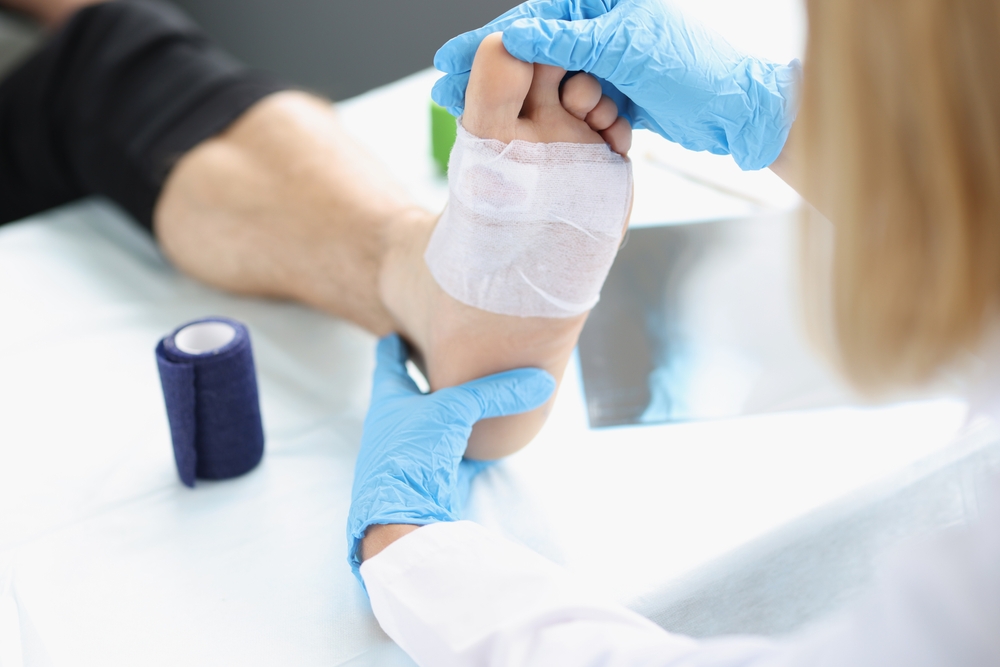
Puncture Wounds – Oxnard & Northridge CA
What is a Puncture Wounds? Puncture wounds are not the same as cuts. A puncture wound has a small entry hole caused by a pointed object, such as a nail that you’ve stepped on. In contrast, a cut is an open wound that produces a long tear in the skin. Puncture wounds require different treatment …
Read More
Arterial Disease in Oxnard, Northridge CA
Commonly referred to as “poor circulation,” Peripheral Arterial Disease (P. A.D.) is the restriction of blood flow in the arteries of the leg. When arteries become narrowed by plaque (the accumulation of cholesterol and other materials on the walls of the arteries), the oxygen-rich blood flowing through the arteries cannot reach the legs and feet. …
Read More
Causes and Symptoms of Peroneal Tendons in Northridge & Oxnard
A tendon is a band of tissue that connects a muscle to a bone. The two peroneal tendons in the foot run side-by-side behind the outer ankle bone. One peroneal tendon attaches to the outer part of the midfoot, while the other tendon runs under the foot and attaches near the inside of the arch. …
Read More